DSCF6066
bougainvillea 2221196 1920 e1716660738604

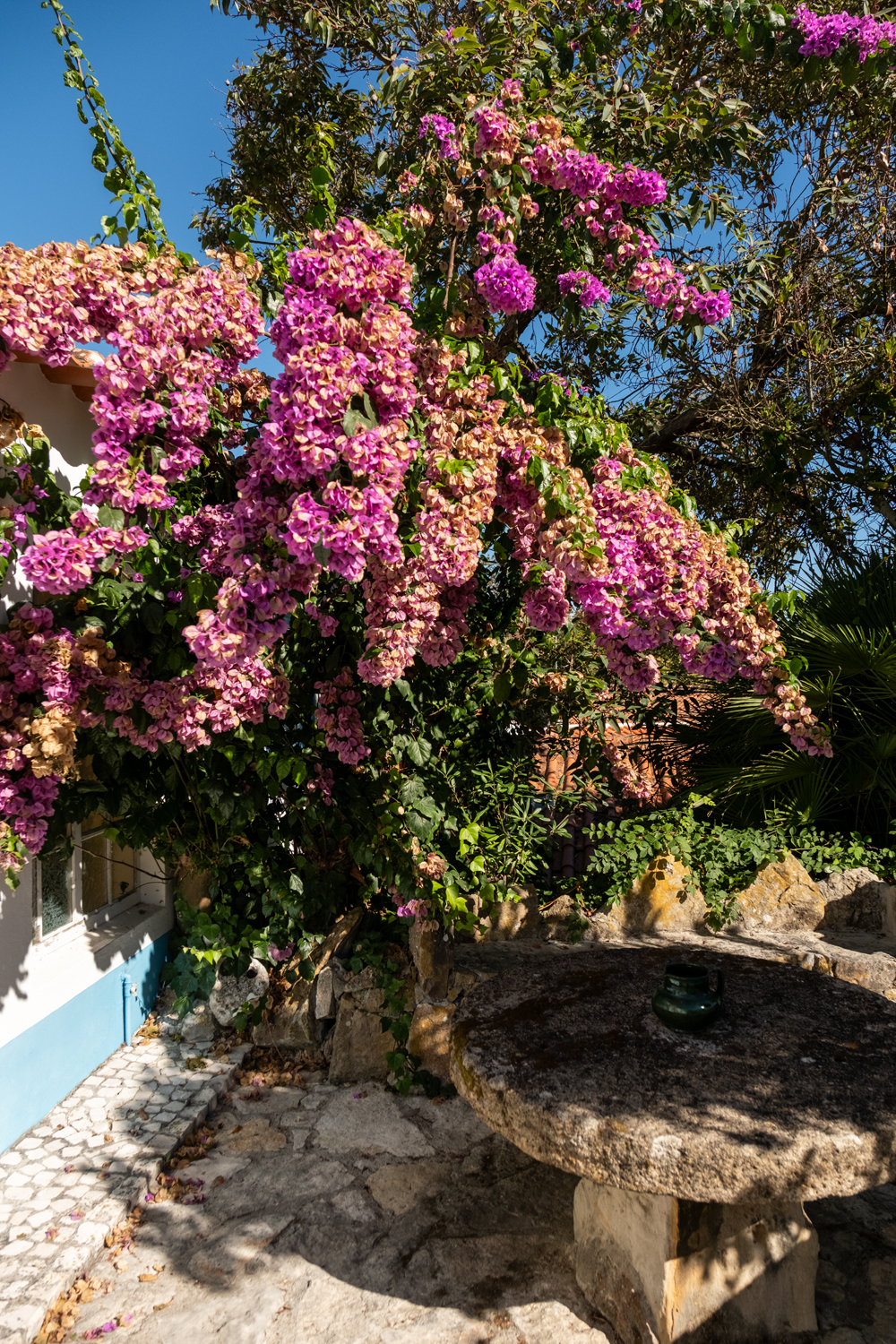
A living garden in the Jaime Umbelino House-Museum, where nature, art, science, memory and community meet through the five senses and a sixth sense: belonging.
Flame Lily 1

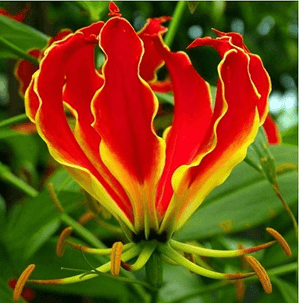
Glorious

Glorious superba L.

Of striking flowers, with petals curved in shades of red, orange and yellow, the glorious is distinguished by expressive shape and almost sculptural appearance. It is a presence that invites the observation of the details and diversity of plant forms.

GARDEN OF THE SIX FEELINGS

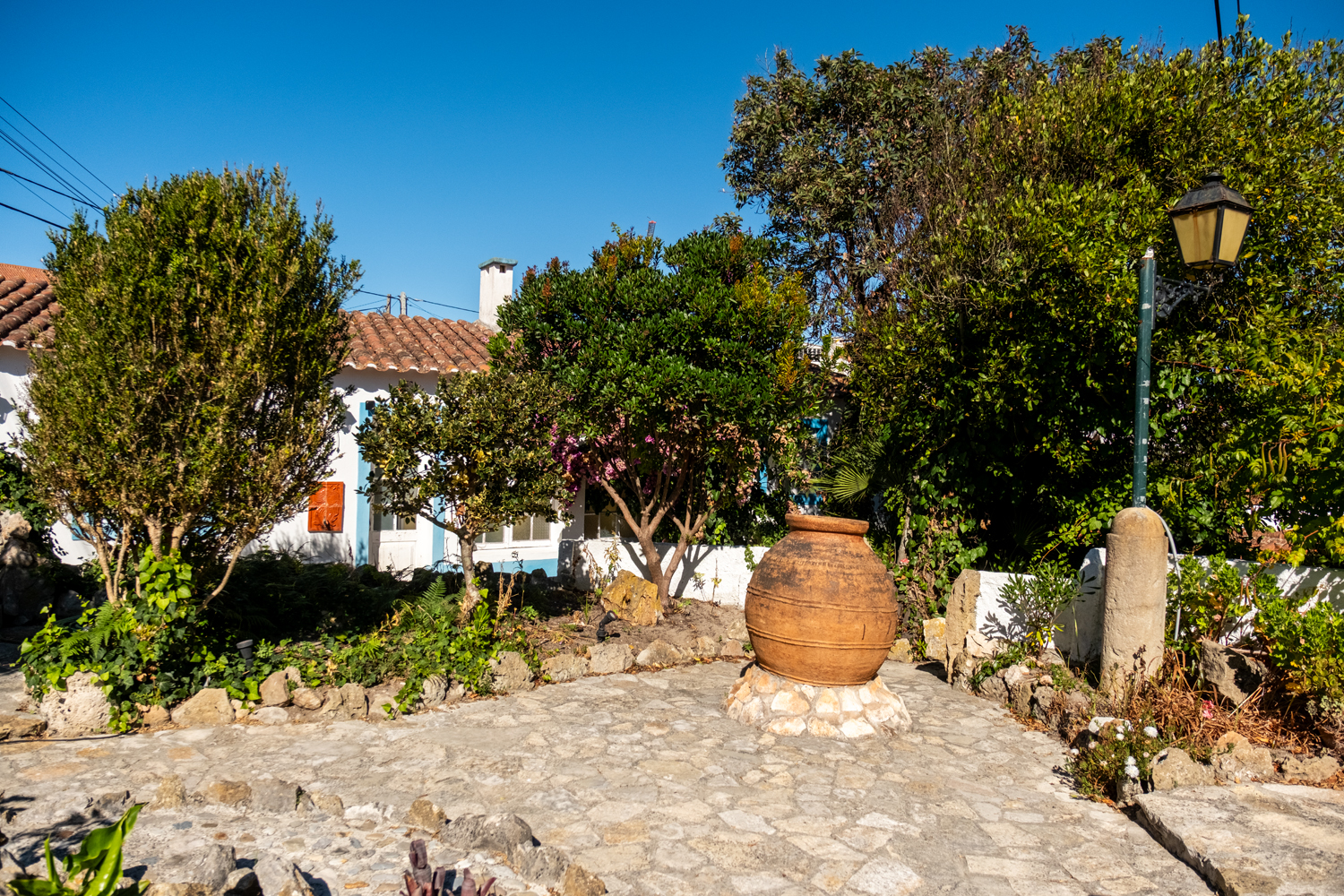
The Six Senses Garden is a living space where nature, art, photography, knowledge and community meet. Integrated in the House-Museum Jaime Umbelino, invites you to discover the diversity of the garden, observe its cycles and recognize the relationships between living beings and the territory.

In addition to the five senses, this garden proposes a sixth sense: membership. Feeling that we are part of a place, that we can know it, care for it and transform it responsibly. Each plant, each route and each discovery contribute to a closer relationship with nature and the community.

DSCF6073
Where nature meets art

A garden to know, feel and create

The Garden  dos Six Meanings is born in the House-Museum James Umbelinus, in the Foz from garlic, a depart from garden existing. More from that create one garden botanist conventional, o project demand reveal a diversity botanical, a memory e a relation this place with o territory. It is simultaneously space botanical, artistic, scientific, educational, from research, conservation, memory e meeting community.​

World Bee Day an alert to the risk of imminent extinction 5ec4ff022e160
DSCF6161

The Six Senses Artists Garden is a living project. Its preservation depends on the knowledge, care and participation of all.

A Living Museum Nature in Transformation

DSCF6059

Inhabitants of the Garden

The garden is also a place of life. Among the stones, plants, nooks and paths, live or pass small animals that are part of the balance of this space.Lizards, insects, bees and other visitors find here shelter, food and conditions to develop their life cycles. Often discreet, these inhabitants reveal to us a dimension of the garden that we only discover when we stop to observe.To know the fauna of the Garden of Six Senses Artists is to learn to look more closely, recognize the relationships between living beings and understand that we are also part of the nature that surrounds us.

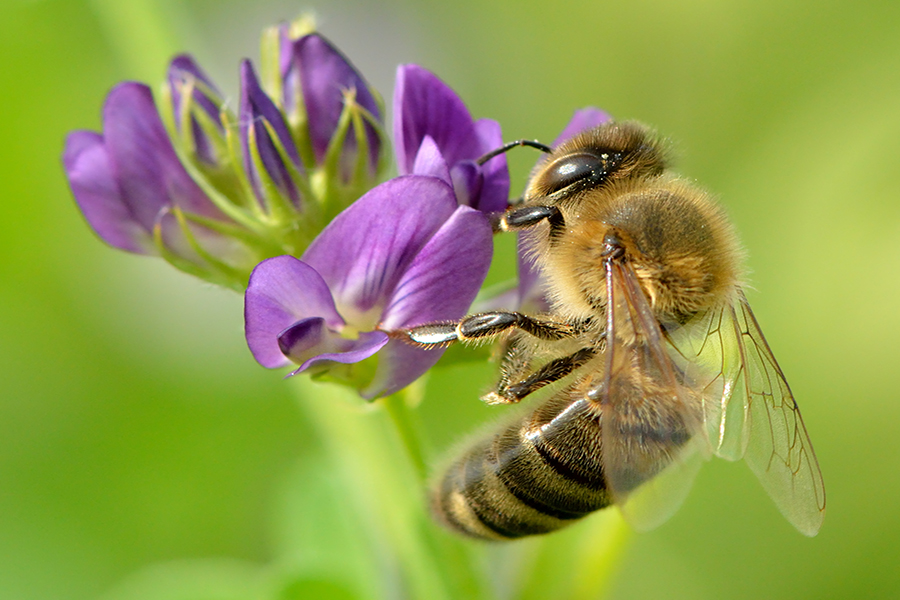
Small visitors, big contributionsBees and other pollinating insects visit flowers in search of nectar and pollen. By transporting pollen between flowers, they contribute to the reproduction of many plants and the continuity of life in the garden.Observing these visitors allows you to discover how plants and animals depend on each other and how even the smallest beings play important roles in ecosystems.
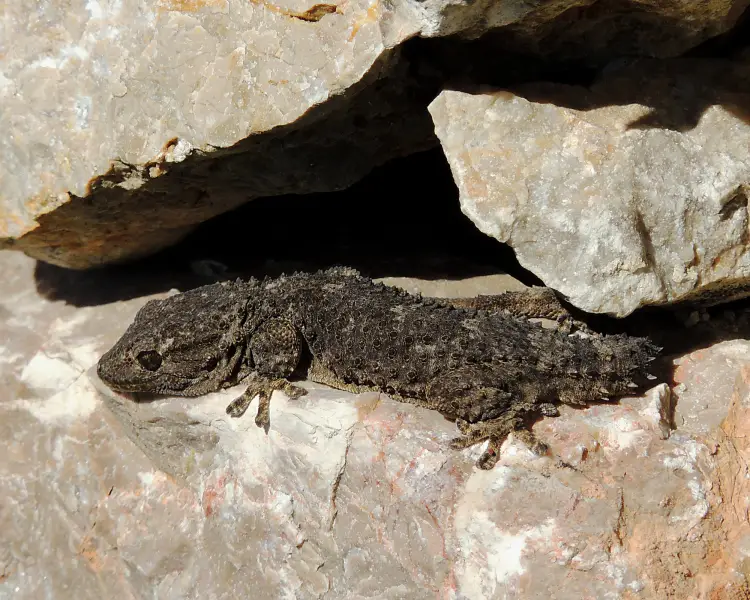
moorish gecko

Common gecko

Tarentola mauritanica

Between the stones and the small cracks of the walls, the osga finds shelter and resting places. More active at night, it feeds mainly on insects and other small invertebrates, contributing to the balance of the garden ecosystem. Discreet and well adapted to built environments, it is a presence that reminds us how wildlife finds space even in the most unexpected corners.

The Life of the Garden

Small inhabitants, great stories

01

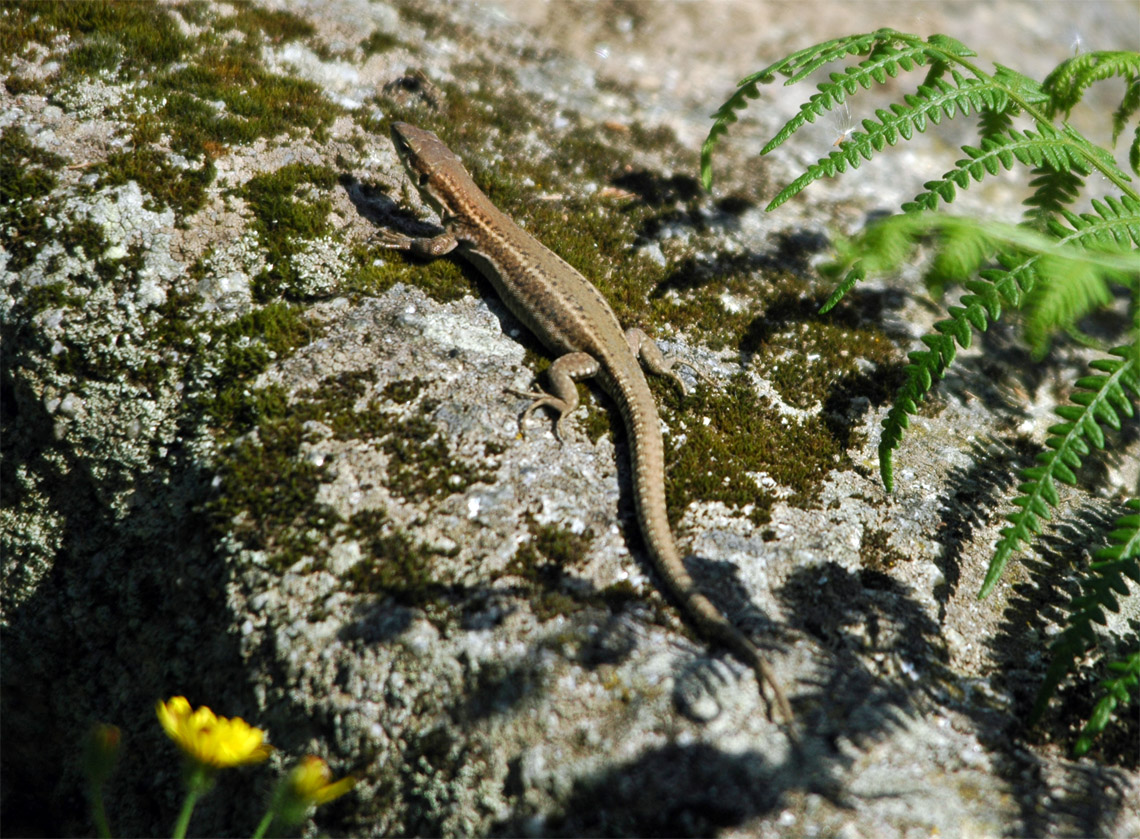
The lizard

Between stones and sun rays

The lizards find on the stones and on the local walls to warm themselves, seek food and take refuge. Agile and discreet, they are part of everyday garden life and help us discover the diversity of animals that share this space.

Watching a lizard is an invitation to patience: it is often enough to remain silent to see it return to its place.

Identification of the species to be confirmed from a more detailed photograph.

podarcisb pbg1140x
PATRIMONY, ART AND MEMORANDUM

OLIVEIRA SAGRADA

02

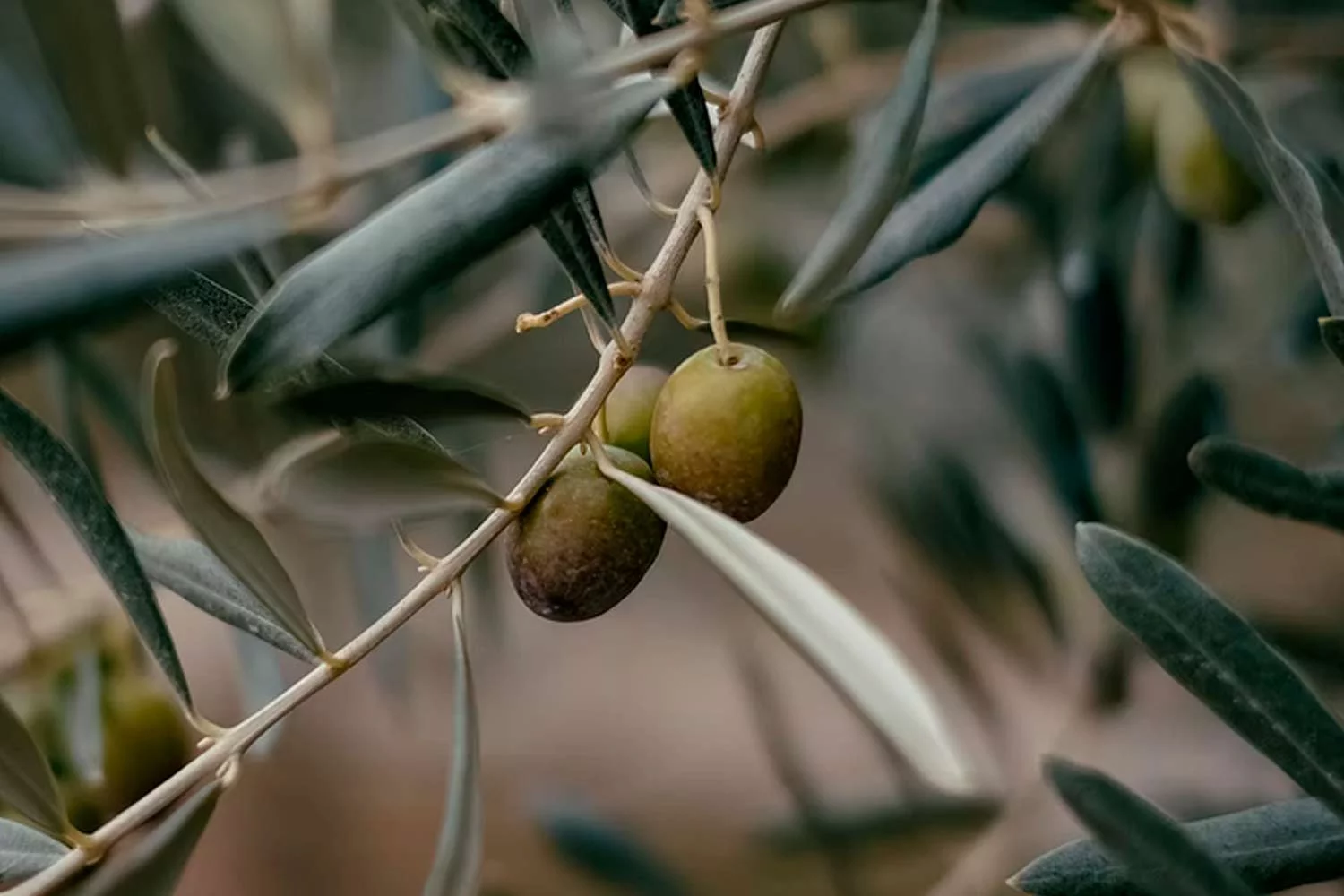
The Oliveira Sagrada was the first tree planted in the Garden of Artists of the Six Senses and became one of the symbols of the project. Its planting marked the beginning of a new route linking nature, culture, territory and community.

Its history is also linked to the partnership with the the UNESCO Club Louriçal do Campo, with whom we share the appreciation of the olive tree as a symbol of peace, memory, territory and knowledge. In Foz do Arelho, this tree thus represents a link between people and places, between heritage and future, and between different communities that believe in culture as a way to create belonging.

Olive Fruit South Zone
ACERVO · CASA-MUSEU JAIME UMBELINO

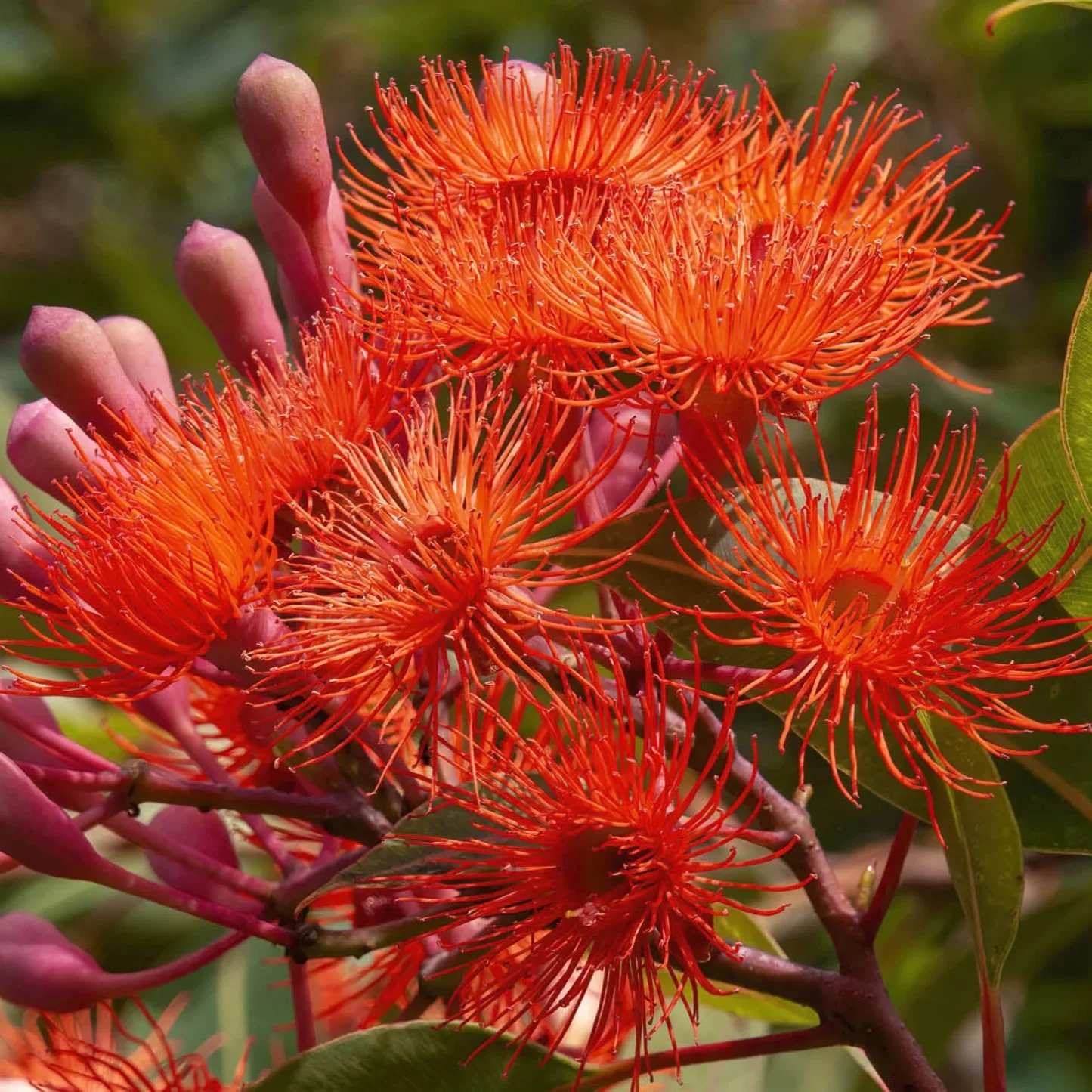
RED EUCALIPTO
Corymbia ficifolia Myrtaceae

03

The Red Eucalyptus is one of the most prominent trees in the Six-Sense Artists' Garden. Originating in southwestern Australia, it is an unusual species in Portugal and particularly recognized for the spectacular red bloom that covers the tree during the summer.

Their presence in the garden is also an opportunity to know the botanical diversity that exists among us and to value less common species, discovering their history, their characteristics and the way they relate to the place where they grow today.

eucalyptus red flower t42xbsn4y0

Have you found out who lives in the garden?

Each visit may reveal a new presence. Watch the corners, listen to the sounds and discover the small inhabitants who share this space with us.In the future, this section may receive photographs of observations, dates, species identification and contributions from visitors.
DSCF6074

Jaime Umbelino House-Museum · CEF

Address
Timetable