
ETHNOGRAPHIC MUSEUM
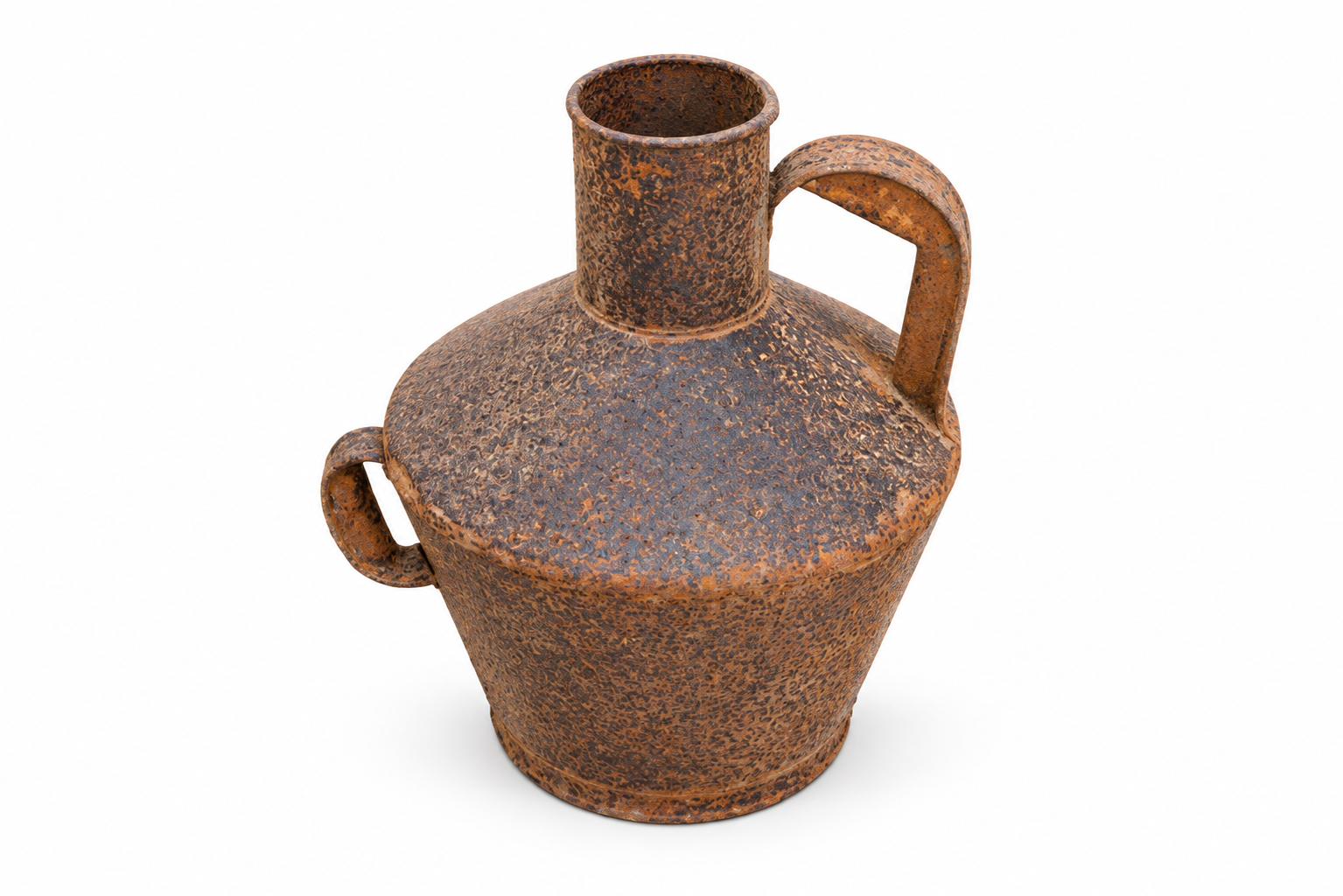
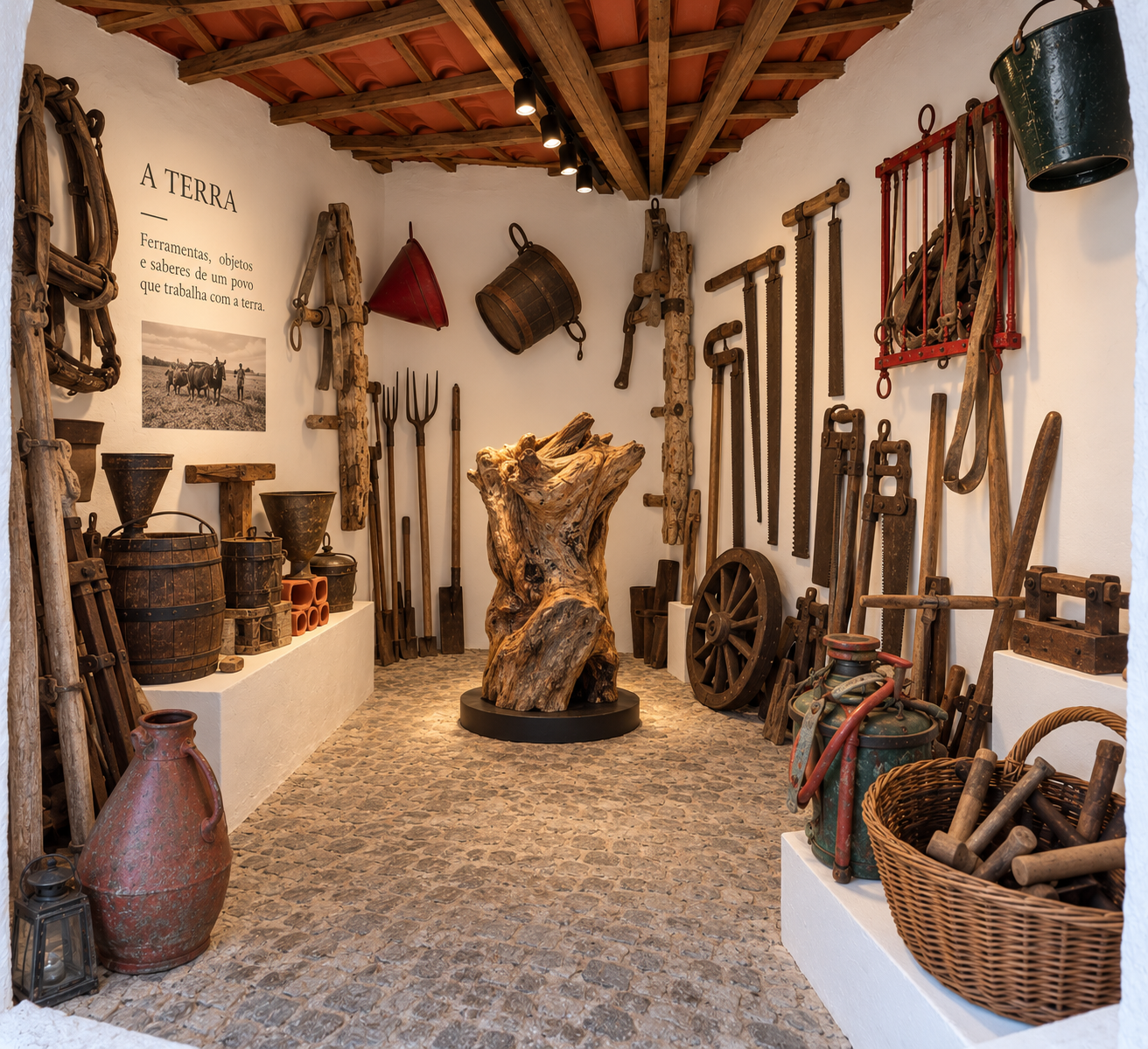
The collection gathers objects that testify to the knowledge, crafts and daily life of local communities. Each piece keeps traces of practices and traditions that help us understand our relationship with the territory, work and natural resources.
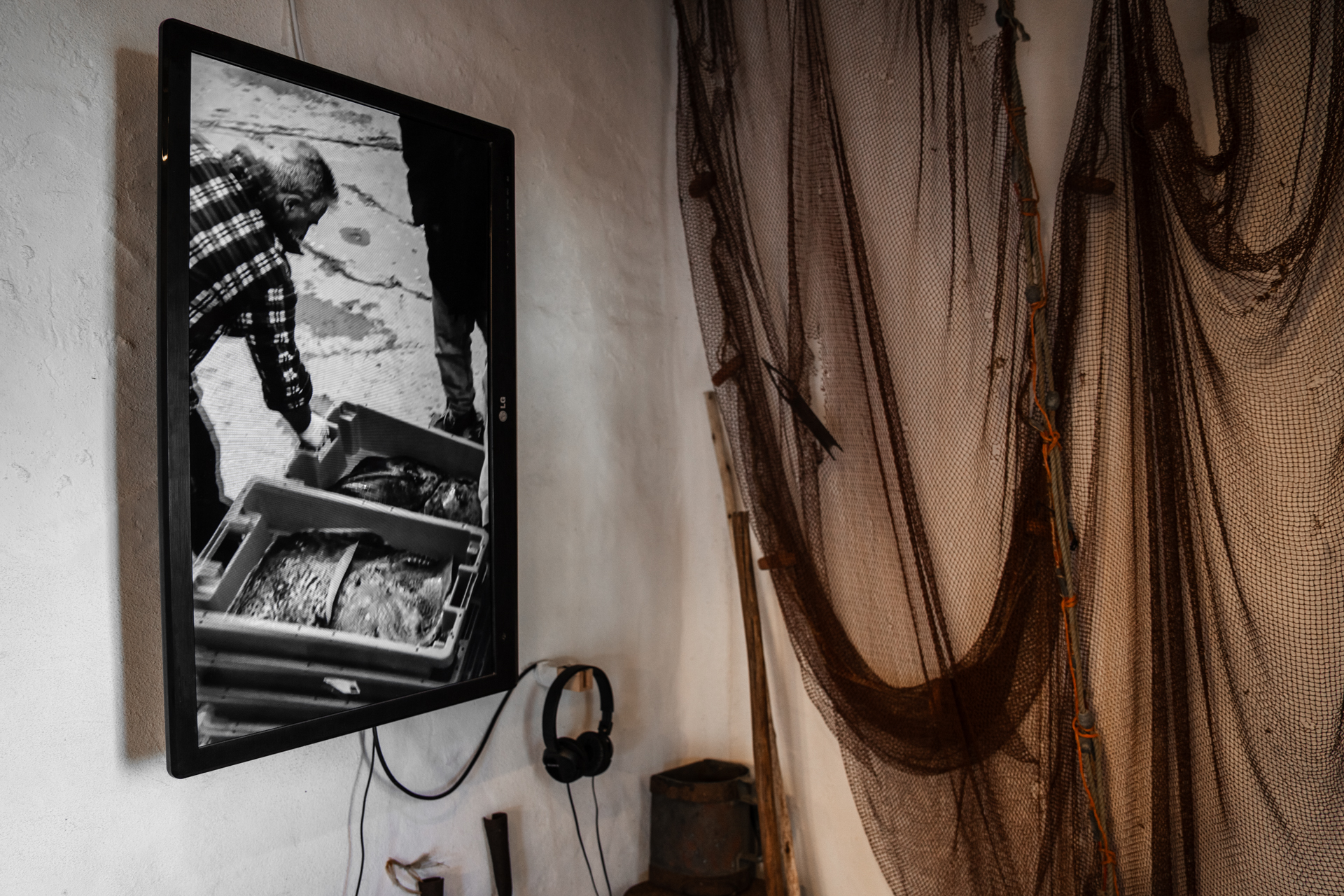
BETWEEN EARTH AND SEA
(Fátima Pedrosa) | 2020
A landscape carved in wood.
Artist: Tuska (Fatima Pedrosa)
Material: Sculpted wood, fishing net and traditional fishing features
Origin of the artist: Foz do Arelho, Caldas da Rainha.
In this work, wood becomes a universe of forms, memories and references to nature, where the human, animal and marine world meet in a sculptural composition deeply linked to the identity of Foz do Arelho.Starting from a wooden trunk, the artist Tusca (Fátima Pedrosa) builds a visual narrative that seems to be born from matter itself.
Taking advantage of the contours, irregularities and natural cavities of the trunk, different figures emerge, in a dialogue between artistic intervention and the original characteristics of the wood.Among the carved forms stands out the face of a woman with long hair, whose arm extends in a position that suggests the movement of someone swimming, evoking the relationship between the human body and water.
The composition also includes two snakes, two birds and an eagle that holds a fish in its claws, in a representation of the relationship between species and the cycles of nature. Another fish appears carved at the bottom of the piece, reinforcing the presence of the aquatic universe.
At the base, a small cavity evokes the Penedo Furado, reference to the natural landscape of Foz do Arelho. This element establishes a symbolic link between the sculpture and the territory, transforming the trunk itself into a kind of miniature landscape.
The installation is complemented by an old fishing net and traditional elements used as weights, associated with fishing practices of other times. Integrated in the composition, these objects evoke the rocks, working instruments and memory of a community historically linked to the lagoon and the sea.
More than a representation of nature, this work constitutes an encounter between artistic creation, natural heritage and collective memory. The wood, the carved figures and the elements of fishing make up a narrative where the landscape, life and local traditions intertwine.
Through this work, Tusca invites us to look at wood as living matter, capable of keeping stories and revealing new forms. A sculpture that transports fragments of the landscape and identity of Foz do Arelho to the exhibition space.
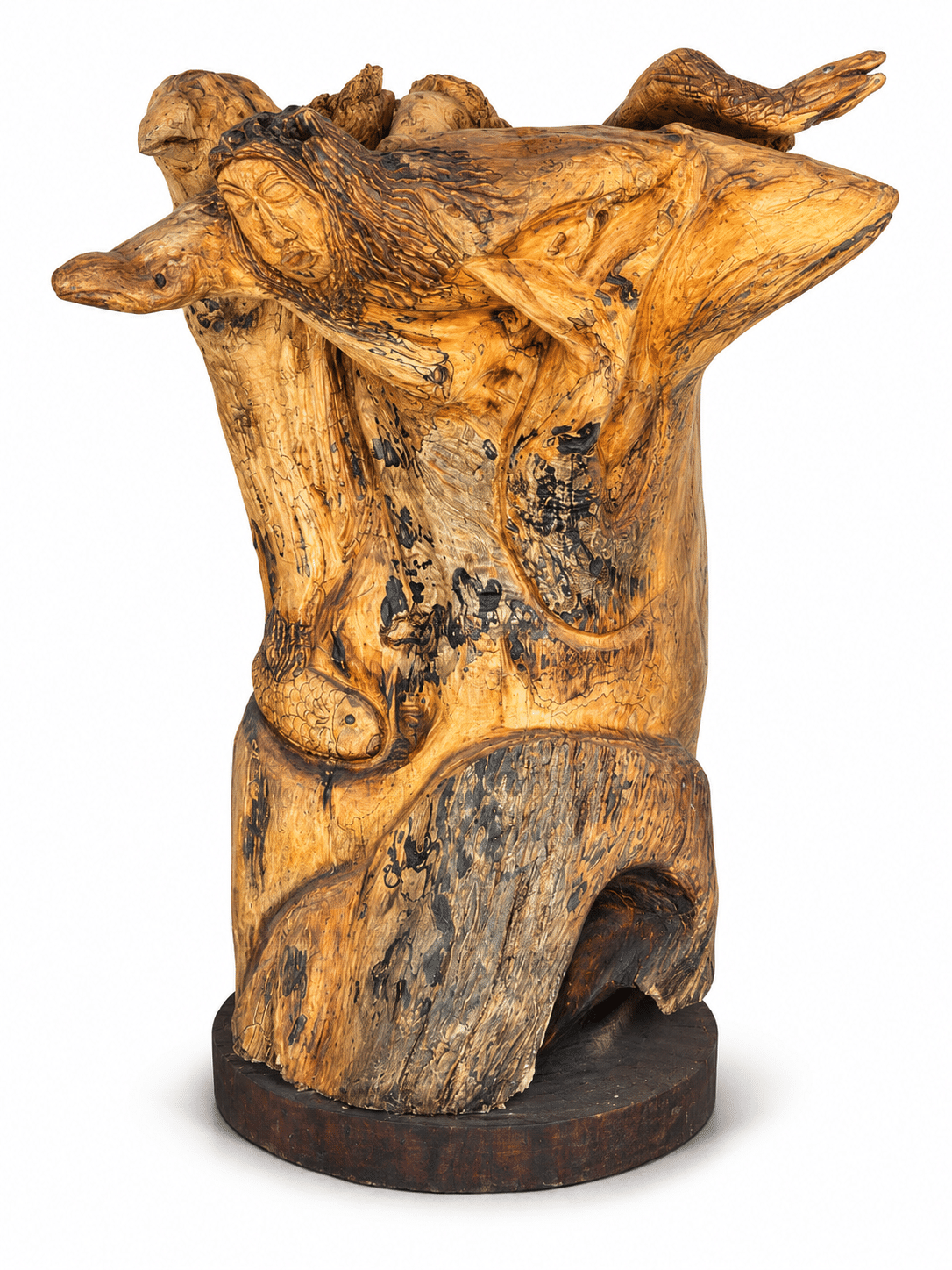
The ethnographic collection of the Jaime Umbelino House-Museum values the objects, knowledge and memories of local communities, bringing the heritage of new generations closer together.
Land and Sea
From agricultural work to activities linked to the lagoon and the sea, two complementary dimensions of local identity.
A local heritage that continues to come to life through the objects, stories and people who visit us.