Museums are much more than places where objects are preserved and exhibited. They are spaces where stories are told, memory is kept alive and our understanding of culture, history and identity is built. Through their collections, exhibitions, archives and public activities, they help us understand the world we have inherited and imagine what we want to build.
Preserving the stories that define us
Each object keeps a story. A photograph, a handwritten letter, a book, an object of everyday life or a work of art can reveal aspects of the life of those who preceded us: how they lived, what they valued, what they believed in and how they understood their place in the world.
By preserving these objects and the knowledge associated with them, museums protect much more than material heritage. They safeguard experiences, traditions and perspectives that might otherwise disappear from the collective memory.
Local museums play a particularly important role in this process. They bring the story of everyday life closer together, revealing how individual and community experiences contribute to a broader cultural narrative. They remind us that history is not only made up of great events or famous figures. It is also built from ordinary lives, shared experiences, and places we call home.
Interpreting the past to understand the present
Museums don't just present the past as a set of facts. The way objects are selected, organized and interpreted influences the way we understand historical events, cultural traditions and social transformations.
A photograph can become testimony to a changing landscape. A book can reveal the evolution of a language. An object can tell us stories about work, family life, craft knowledge or the relationship between a community and its territory.
These meetings invite us to look beyond what is immediately visible. They stimulate questions, challenge preconceived ideas and make room for dialogue between different generations and perspectives.
Understanding history also implies acknowledging its complexity. Museums have a responsibility to welcome different voices, recognize the gaps in historical records, and invite visitors to critically reflect on the stories they encounter.
Culture as a permanent conversation
Culture is not something immobile, stuck in the past. It is constantly interpreted, questioned and transformed, accompanying new experiences, ideas and generations.
Museums can create meeting points between heritage and contemporary life. Through exhibitions, artistic projects, educational activities, research and community participation, allow historical knowledge to enter into dialogue with the present.
This relationship is particularly important for younger generations. When invited to explore, question, create and participate, people stop looking at heritage as something distant. They come to understand it, to live it and to contribute to its continuity.
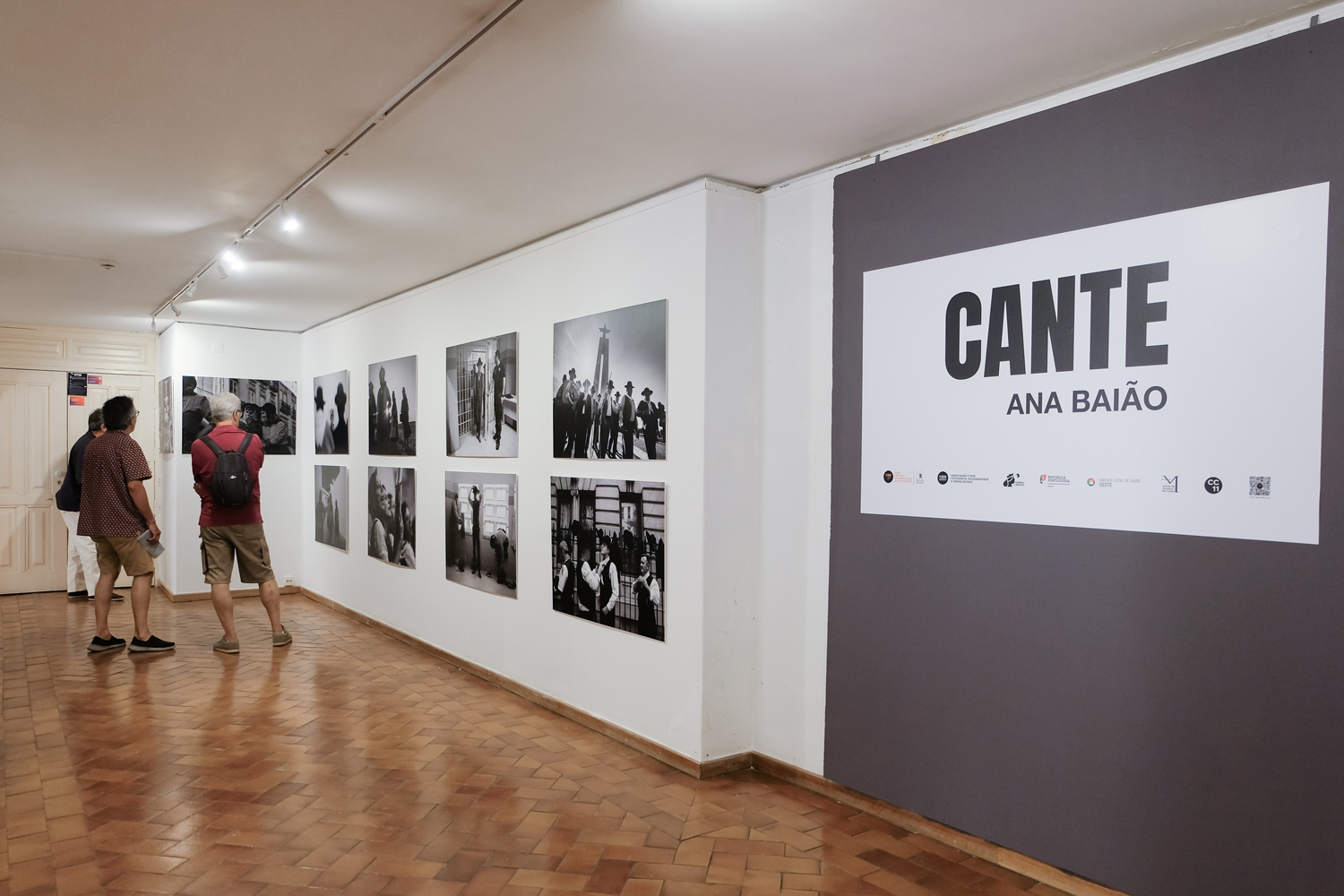
Photography, literature, visual arts and oral history can play a key role in this process, offering different ways to record experiences and interpret the world around us.
Beyond the walls of the museum
The function of a museum does not end at your doorstep. The relationship with the surrounding community, landscape and local history can be as important as the collections themselves.
A museum rooted in its territory can help people rediscover familiar places, recognise forgotten stories and develop a greater sense of belonging. It can support research, encourage cultural participation and create opportunities for dialogue between residents, visitors, artists, researchers and educators.
In this perspective, museums are not only spaces of conservation of the past. They are places of cultural activity that help communities understand who they are, where they come from and how they want to build the future.
Keeping the memory alive
In their best expression, museums establish links between memory and knowledge, preservation and discovery, history and imagination. They give shape and visibility to stories that could fall into oblivion, while also creating space for new interpretations.
At Casa-Museu Jaime Umbelino · CEF – Centro de Experimentação da Fotografia, this relationship between memory, culture, knowledge and contemporary creation is a starting point for meetings between heritage, books, collections, photography, art and community.
The past is not just something we must preserve behind a showcase. It is a resource for understanding the present, asking better questions and building relationships between people and generations.
When they keep stories alive, museums do more than preserve memory. They help us understand the world we share and the place we occupy in it.