
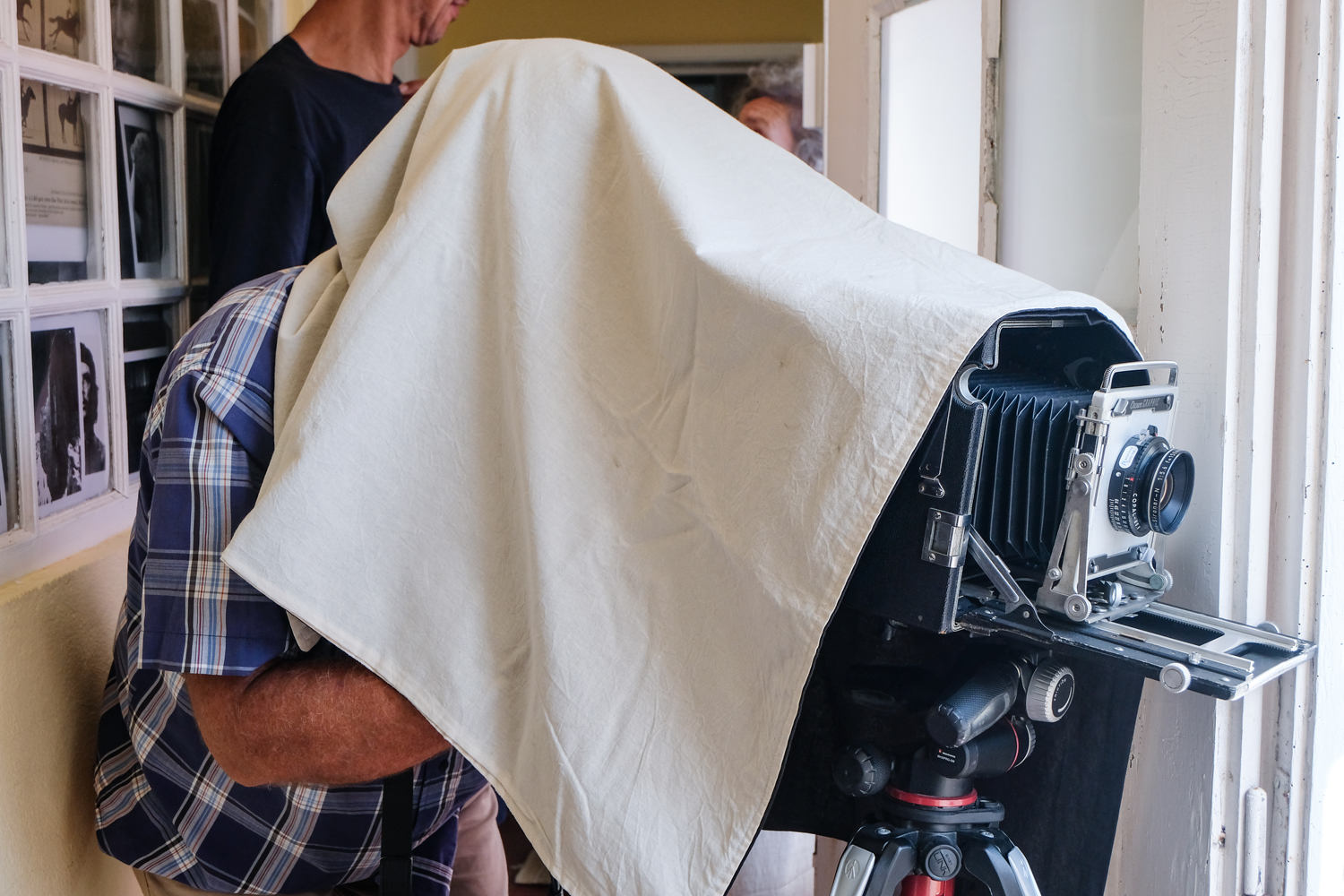
How photography contributes to preserving memory, documenting heritage and making collections accessible to future generations.
Museums preserve much more than objects. They keep stories, testimonies, documents and traces of the lives of people and communities. Each book, photograph, manuscript or object may contain information essential to understanding the past and how it continues to influence the present.
But preserving a collection doesn't just mean preserving its physical elements. It also means documenting them, recording their status, organising the associated information and creating the conditions for this knowledge to be accessed, studied and shared over time.
It is in this context that photography plays a key role. Through careful images and organized digital records, it is possible to document the collections, monitor their evolution and expand the forms of access to heritage.
At Casa-Museu Jaime Umbelino · CEF – Centro de Experimentação da Fotografia, this reflection intersects with a mission that connects memory, books, knowledge, culture and community.
Why is it important to photograph the collections of a museum?
A collection can bring together very different materials: books and publications, historical documents, photographs, everyday objects, pieces of cultural value and testimonies linked to the history of a place. Each typology requires specific conservation, description and recording care.
Photography makes it possible to create a visual record of each element, making it easier to identify and consult it without the need to continuously handle the original. It can also document the conservation status of a piece, reveal relevant details and support research, inventory and dissemination work.
In the case of books, for example, the cover photo allows you to identify an edition and present it to the public. Further recording may include the spine, back cover, cover sheet or other relevant pages, always in accordance with the storage conditions and the objectives of the documentation.
The same principle applies to old photographs, handwritten documents and other materials whose fragility requires special attention. A well-produced digital record can become an important tool for preserving the knowledge associated with these elements.
From photography to digital archive
Photographing a collection is just the first step. For images to remain useful, they need to be organised, identified and associated with reliable information.
A digital archive should make it possible to answer simple questions: what object are we observing? What period does it belong to? Who is the author when this information is known? What is its provenance? Where is it stored? Is there additional information about your history or use?
Where possible, each image shall be associated with an inventory sheet containing the data available on the documented item. Unknown information should remain marked as such, avoiding assignments or dates that are not supported by sources.
The organisation of the files is also important. Consistent names, metadata, backups, and formats suitable for different uses help ensure that images can be found, accessed, and reused in the future.
A photograph intended for inventory and storage may require different characteristics from an image prepared for a web page or publication. Therefore, it is important to distinguish archive files, which should preserve as much information as possible, from versions optimized for dissemination.
Photograph books, documents and objects carefully
The photographic documentation of a collection requires attention to both the quality of the image and the safety of the materials.
The illumination must make it possible to observe the details without introducing excessive reflections or changes in the appearance of the object. The framing shall be consistent, the colour reproduction as faithful as possible and the image shall be clear enough to allow the relevant elements to be read.
In the case of old or fragile books, the opening must respect the physical limits of the binding. You should not force a spine, press delicate pages or use procedures that could cause damage. Where necessary, documentation should be adapted to the characteristics of the specimen or carried out with expert support.
Digital editing also requires criteria. Correcting perspective, adjusting framing, or improving readability can be helpful, but it's important to preserve the documentary integrity of the image. Marks of use, annotations, stains, tears or other material signs may be part of the history of the object itself and should not be erased from a conservation record.
The goal is not to turn the object into an idealized version, but to document it in a clear, rigorous and respectful way.
Making heritage more accessible
An organized photographic archive can significantly expand the possibilities of using a collection.
Images can support research, the preparation of exhibitions, the production of publications, the creation of educational content and communication with the public. They may also allow researchers, students or interested persons to learn about certain materials without having to physically access the originals.
In the digital environment, the quality and organisation of registries also contribute to making collections more searchable. When images are associated with clear descriptions and consistent metadata, it becomes easier to find relationships between objects, authors, places, themes, and historical periods.
The making available to the public should of course take into account copyright, conditions of use, privacy and any restrictions related to the preservation or nature of the materials.
Scanning doesn't just mean putting images on the Internet. It means creating conditions so that information can be found, understood and used responsibly.
Preserve today to ensure access tomorrow
Digital preservation requires continuity. Files need to be stored securely, tracked over time and transferred to new media or formats when needed. Backups, documenting procedures and periodically checking files help reduce the risk of loss.
It is also important to define consistent procedures for the production and identification of images, for the recording of information and for the management of different formats. A clear methodology avoids unnecessary duplication and allows the work developed to continue, even when people or the tools used change.
Technology evolves, but the principle remains: preserving heritage means thinking not only about the present, but also about the conditions under which future generations can access these records.
The memory of a place is also built through its collections
At Casa-Museu Jaime Umbelino, the books, documents and testimonies associated with cultural life and the history of the territory are resources to better know the people, places and transformations that marked them.
The photographic documentation of these collections can help protect your material memory, support the study of content and create new ways of sharing with the community. Each register shall add a possibility of access; each description helps to contextualise; Each image can arouse a question or pave the way for further investigation.
This work gains special meaning when it is understood as a continuous process, which articulates conservation, organization, knowledge and communication.
Preserving a collection is taking care of your objects. Documenting it is also taking care of the stories it carries.
Photographing to preserve is to create a bridge between what we receive from the past and what we want to transmit to the future.
2 Comments
Bob Brown
Quisque metus metus, vulputate ut rutrum nec, tempus ut quam. Fusce ultricies nulla vitae hate fringilla faucibus. Phasellus id metus dui. Aliquam erat volutpat. Curabitur sit amet felis vitae nibh facilisis suscipit. Phasellus at urna non enim egestas molestie. Sed porta tristique ex, vel iaculis lorem bibendum et. Donec iaculis arcu neque, at mattis nisi lobortis in.
Charlie Green
Quisque at tortor purus. Cras ut molestie risus. Donec non tellus ut elit lacinia dapibus. Suspendisse faucibus ante dui, nec luctus est pretium et. Curabitur et orci non urna ullamcorper sollicitudin quis lacinia arcu. Nunc quam diam, dictum ut nisi quis, venenatis facilisis hate. Nullam nec venenatis neque, nec sagittis dui. Vestibulum aliquet non nisl et pregnant.